

Former Group Leaders in UniSysCat - Goodbye & Good Luck!
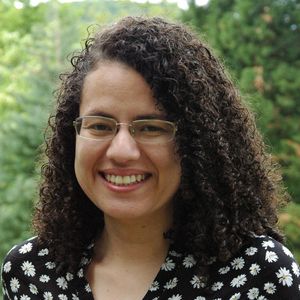
Units: B, C
Expertise: Molecular modeling and simulation of ligand-protein interactions
Dr. Nunes Alves has accepted an offer from the Brazilian Center for Research in Energy and Materials (CNPEM), Brazilian Bioscienses National Laboratory (LNBio), for a position as Lead Researcher of the Computational Biology Group. Expanding on her work at UniSysCat, she focuses on developing and applying methods to simulate crowded and cellular environments.
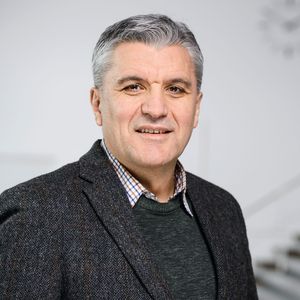
Units: B, C, E
Expertise: protein modification by non-natural amino acids
Prof. Dr. Budisa moved to the University of Manitoba (Canada), where he holds a Full Professorship and a Tier 1 Canada Research Chair in Cheical Syntetic Biology and Xenobiology. His research focuses on genetic code engineering and chemical synthetic biology, developing in vivo approaches to introduce non-canonical amino acids into proteins.
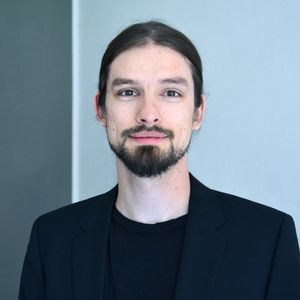
Units: A, D
Expertise: Organometallic Chemistry, Homogeneous catalysis, statistical modeling, computational chemistry
Dr. Gensch has joined CreativeQuantum, where he operates at the interface of computational chemistry and data-driven modeling. His work focuses on combining machine learning with computational chemistry to predict and optimize chemical processes.
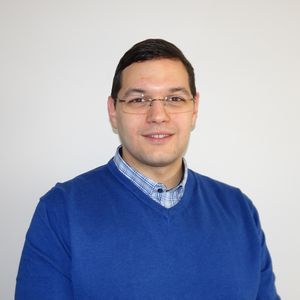
Units: A
Expertise: Transmission Electron Microscopy, Electron Energy Loss Spectrometry, EELS Simulations
Dr. Hetaba has accepted an offer from the Max Planck Institute for Chemical Energy Conversion (MPICEC) for a position as Group Leader of Electron Microscopy and XPS. In a joint project with UniSysCat, his group investigates bimetallic nanocatalysts to determine the influence of particle morphology on selectivity and conversion in individual reactions.
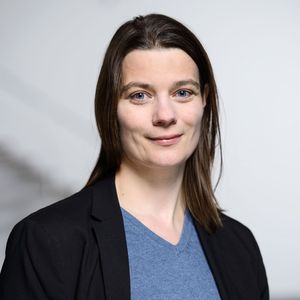
Units: E
Expertise: Molecular dynamics simulations
Prof. Dr. Keller continues her work at the Freie Universität Berlin, where she leads a research group in physical and theoretical chemistry.
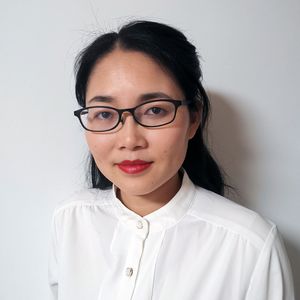
Units: A, E
Expertise: metal-organic hybrid materials, mesoporous metal carbide/nitride, electrocatalysis
Prof. Dr. Li obtained a professorship at the College of Polymer Science and Engineering, State Key Laboratory of Polymer Materials Engineering, Sichuan University (China). Her research expands on her work at UniSysCat on metal-organic precursor design for electrocatalytic water splitting and extends it to related areas such as waste polymer reconstruction, polysufide conversion and CO2 hydrogenation catalysis.
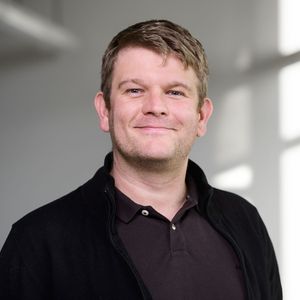
Units: A
Expertise: synthesis of nanoporous materials and electrode materials, single-site electrocatalysts, nanoparticle synthesis
Prof. Dr. Oschatz has been appointed professor at the Friedrich Schiller University Jena, where he leads a research group in materials for energy conversion. His research focuses on the design and synthesis of porous and nanostructured materials, particularly carbon-based systems, for applications in catalysis or energy storage.
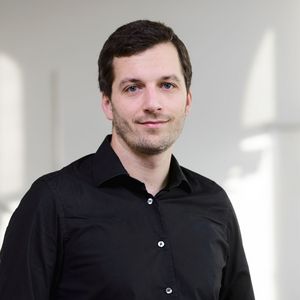
Units: D
Expertise: Photocatalysis, Organic Chemistry, Flow Chemistry
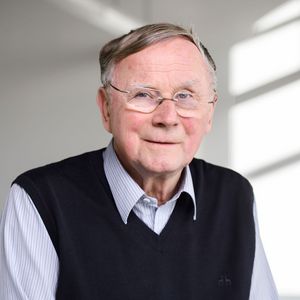
Units: C
Expertise: enzyme electrochemistry
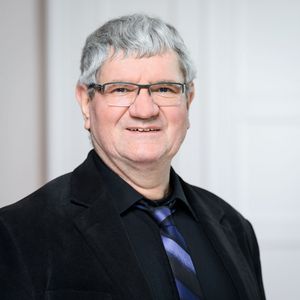
Units: A, D
Expertise: electron microscopy, X-ray spectroscopy, catalyst characterization
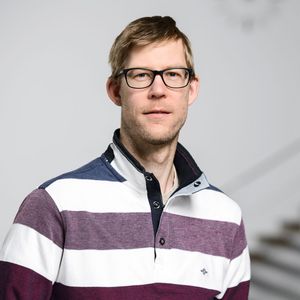
Units: A, D
Expertise: electro- and photocatalysis and artificial photosynthesis
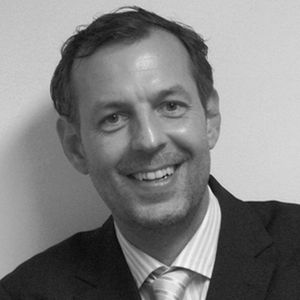
Units: B
Expertise: enzymology and analytics of ribosomal peptide biosynthesis
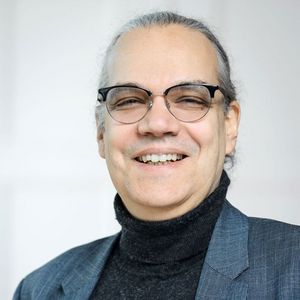
Units: B, E
Expertise: macromelcular machines, 3D cryo-electron microscopy
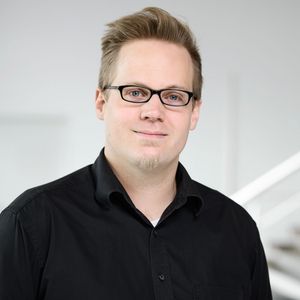
Prof. Dr. Johannes F. Teichert
Units: A
Expertise: Homogeneous Catalysis, Organic Chemistry, Organometallic Chemistry, Sustainable Chemistry
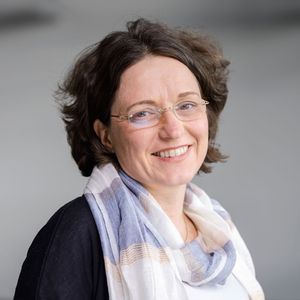
Units: A, D
Expertise: Electrocatalysis, Surface enhanced Raman spectroscopy, spectro-electrochemistry
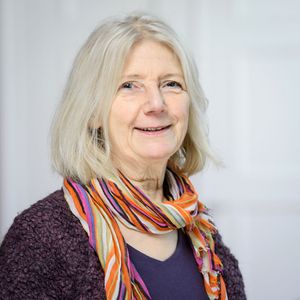
Units: B, C
Expertise: Protein electrochemistry, Bioelectrocatalysis, Biosensors